






How the maze of childcare funding is leaving working families paying far more than they should, and what you can do about it
If you’re a working parent in the UK, you’re likely facing one of the most expensive and confusing decisions of your life: childcare. What should be straightforward support for working families has become a bureaucratic maze that’s costing parents thousands of pounds they shouldn’t have to pay.
We call it the “confusion tax” – and it’s hitting families hard at a time when many are already struggling with the cost of living crisis.
The scale of the problem
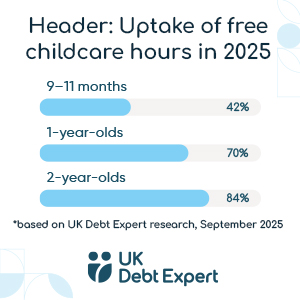
New government data reveals that nearly one in three eligible families aren’t accessing the free childcare hours they’re entitled to. Let that sink in for a moment. Families who qualify for substantial government support are instead paying full childcare fees, often without even realising they’re missing out.
The numbers are stark:
- Only 42% of eligible families with 9-11 month old babies have registered for expanded working parent entitlement
- 30% of families with one-year-olds are missing their free hours
- Even for two-year-olds, 16% aren’t accessing the support available to them
With childcare now costing an average of £73 per day nationally, and families missing out on their full entitlement could be paying an extra £6,000-£8,000 per year. For many households, that’s equivalent to losing an entire salary to confusion and bureaucracy.
The 40% cost
Perhaps the most alarming finding in our analysis is how dramatically childcare costs have risen. Since 2022, the average daily cost has jumped from £52 to £73 – a staggering 40% increase in just three years.
To put this in perspective, if general inflation had risen at the same rate, a weekly food shop that cost £100 in 2022 would now cost £140. Your mortgage payments would have increased by hundreds of pounds per month. It’s no wonder so many families are finding themselves in financial difficulty.
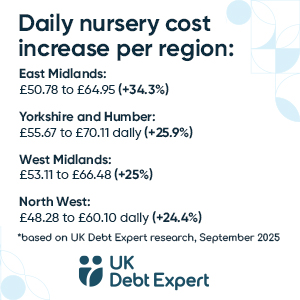
Regional breakdowns show just how dramatic these increases have been:
- East Midlands: 34.3% increase (£50.78 to £64.95 daily)
- Yorkshire and Humber: 25.9% increase (£55.67 to £70.11 daily)
- West Midlands: 25% increase (£53.11 to £66.48 daily)
- North West: 24.4% increase (£48.28 to £60.10 daily)
Even in the most “affordable” regions, families are paying significantly more than they were just a few years ago.
The £17,000 postcode lottery
Where you live can make or break your family budget when it comes to childcare. Our analysis reveals enormous regional disparities that create a postcode lottery for working parents.
London families face the highest costs at nearly £99 per day on average, while those in the North West pay around £60 per day. Over a typical year (50 weeks of childcare), this means:
- London families pay approximately £24,750 annually
- North West families pay around £15,000 annually
- Difference: £9,750 per year
For families needing full-time care, the London premium can easily exceed £15,000-£17,000 annually compared to cheaper regions. That’s more than many people’s entire take-home salary.
But the postcode lottery doesn’t stop at regional level. Within individual cities, costs can vary dramatically:
- Cambridge: Daily rates range from £56.40 to £107 (88% variation)
- Newcastle: £56.50 to £79.60 (41% variation)
- Birmingham: £36 to £76 (111% variation)
This variation makes it virtually impossible for parents to budget accurately or make informed decisions about returning to work.
Hidden costs
The confusion doesn’t end with finding and comparing basic fees. Many parents are caught off-guard by “hidden” costs that can add £10-20 per day to their bills:
What’s included varies wildly between providers:
- Some nurseries include all meals and snacks
- Others charge £5-8 daily for food
- Nappies might be included or cost an extra £2-3 daily
- Late pickup fees can be £1 per minute after collection time
- Holiday clubs and extra sessions can often cost significantly more than funded hours
The funding gap nobody talks about: Even families receiving “free” hours often discover these don’t cover their actual needs:
- Free hours typically don’t cover school holidays
- Many nurseries require you to pay for minimum hours even if you only need the funded allocation
- Funded hours rarely align with actual working hours, leaving parents to pay top-up fees
The complexity of the current childcare system would challenge even the most organised parent. Here’s what families are trying to navigate:
Multiple schemes with different eligibility criteria:
- Universal 15 hours for 3-4 year olds
- Extended 30 hours for working parents of 3-4 year olds
- New 15 hours for working parents of 2 year olds
- Expanding provision for 9 months+ (being phased in)
- Separate schemes for disadvantaged 2 year olds
Constantly changing eligibility rules:
- Income thresholds that aren’t always clear
- Working hour requirements that vary by scheme
- Different application deadlines and codes needed
Limited online transparency: Our research found that many nurseries no longer publish clear pricing online, forcing parents to call or visit multiple providers just to get basic cost information.
Your action plan: how to avoid the confusion tax
Don’t let complexity cost you thousands. Here’s your step-by-step guide to navigating the childcare system:
Step 1: Know your rights
Check eligibility immediately using the government’s childcare calculator at gov.uk/childcare-calculator. Don’t make assumptions – eligibility criteria have expanded significantly, and you might qualify for more support than you think .
Key eligibility points:
- Free hours now available from 9 months for working parents
- You typically need to earn at least minimum wage for 16 hours per week
- There’s usually an upper income threshold (currently around £100,000)
- Both parents need to be working (or one working, one unable to work due to disability/caring responsibilities)
Step 2: Get the full picture on costs
Request detailed breakdowns from every nursery you’re considering. Ask specifically about:
- Basic daily/hourly rates
- Food and meal costs
- Nappy fees if applicable
- Late pickup charges
- Holiday period rates
- Minimum hour requirements
Compare like-for-like by creating a spreadsheet with all costs included. A nursery charging £65 per day all-inclusive might be cheaper than one charging £55 plus £8 for meals and £3 for nappies.
Step 3: Plan for the funding gap
Calculate the true annual cost including:
- Top-up hours beyond your free entitlement
- Holiday periods when funding may not apply
- Additional costs for food, nappies, trips
Consider alternatives such as:
- Childminder costs vs nursery fees
- Employer childcare vouchers or salary sacrifice schemes
- Tax-free childcare accounts (save 20% on costs up to £10,000 annually)
- Mixing formal childcare with family support
Step 4: Start early and stay organised
Apply for funding codes well before you need them – the system can be slow, and you don’t want to miss out on months of support while applications process.
Keep detailed records of:
- All communications with childcare providers
- Funding applications and approval dates
- Monthly statements and payments
- Any changes in circumstances that might affect eligibility
Step 5: Know when to seek help
Red flags that you need support:
- Childcare costs exceed 30% of your household income
- You’re using credit cards to pay childcare fees
- You’re considering not returning to work because childcare costs are too high
- You’re falling behind on other bills to afford childcare
Where to get help:
- Your local council’s family information service
- Citizens Advice for free impartial advice.
- A free debt advice provider like UK Debt Expert, Citizens Advice, or StepChange.
Making childcare work for your family
While we can’t fix the system’s complexity overnight, you can protect your family from the confusion tax. The key is treating childcare funding like any other major financial decision – with research, planning, and professional advice when needed.
The childcare system might be confusing, but with the right information and planning, you can ensure your family isn’t paying more than necessary. Because in times like these, every pound counts.