






In March 2025, Exchequer Secretary to the Treasurer, James Murray, announced that 300,000 people in the UK would no longer be required to pay tax under new rules brought in to make it easier for individuals living and working in the UK to “make the most of their entrepreneurial spirit”. It’s hoped it will succeed in “freeing up time for taxpayers, helping to create the conditions for economic growth”.
But what exactly is a side hustle? And, will your earnings be better or worse off after the change? Any changes to self-assessment tax returns can be a cause for concern if you supplement your wages with a secondary income stream, but there’s no need to panic. In fact, most people will benefit financially by being switched to a new online service.
What is a side hustle?
The term ‘side hustle‘ has dominated the UK gig economy in the last few years, but what does it actually mean? Put simply, a side hustle is any activity that you do on the side of your main job and earn money from.
Most people start a side hustle in an attempt to make a little extra money each month, while others do it to indulge in a hobby or interest in a way that their full-time role doesn’t accommodate. For example, if you work in marketing but enjoy doing arts and crafts in your spare time, you could start a side hustle selling your homemade creations online.
Other examples of side hustles include content creation, freelancing, dog-walking, tutoring, online surveys, blogging, online selling, and ride-sharing. Because you are in control of how much time you put into your side hustle, you can choose to work as often or as little as you like.


What does the HMRC side hustle tax limit change mean for me?
During the 2025/26 tax year, individuals earning between £1,000 and £3,000 gross income (not profit) from self-employment or casual income won’t be required to submit a self-assessment tax return. Before this, anyone with a side hustle who earned more than £1,000 was required to submit a self-assessment tax return.
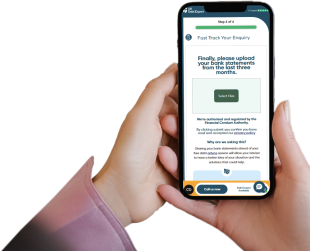
The change means you’ll still need to pay tax if you earn between £1,000 and £3,000, but you won’t have to complete a self-assessment tax return. Instead, you’ll declare and pay any tax owed through a ‘new simple online service’ designed to save time and speed up PAYE queries.
HMRC has revealed that the increase in the trading income reporting threshold will put more money in people’s pockets when it comes into effect in 2029. The £1,000 tax-free trading allowance will remain unaffected by the news, meaning that as long as you earn less than £1,000, you still won’t need to pay tax on your side hustle earnings.
The move was revealed as part of HMRC’s ‘Plan for Change’ at an event hosted by the Chartered Institute of Taxation and the Institute of Chartered Accountants. It was decided in an attempt to reduce the time filling in paperwork for small earners and ease the pressure of HMRC in dealing with a backlog of customers.
It was announced alongside a series of other measures designed to transform HMRC into a “quicker, fairer, and more modern” organisation by securing tax revenue to help fund investment projects. Some of these measures include a digital pilot designed to speed up trade processes for US and UK businesses and a joint venture between HMRC and the Insolvency Service to increase securities.
Do I need to report earnings from my side hustle?
It can be difficult to know whether or not you meet the self-assessment reporting threshold for HMRC, but there is a quick check you can make to ensure you’re following the rules.
The GOV.UK website has a helpful tool that asks you a series of questions about your side hustle, such as the dates you earned money from a side hustle, the total amount earned through your side hustle for the year, and what your next steps should be based on the answers provided.
HMRC will require you to file a self-assessment tax return if you earn less than £3,000 but you meet the eligibility requirements through other measures, such as being the director of a limited company or having untaxed rental income sitting in your name.
In early 2025, HMRC launched its ‘Help for Hustles’ campaign in an attempt to educate the wider public about tax requirements for those earning money outside of regular employment. It aims to ‘take the hassle out of your side hustle’ by providing easy-to-follow steps to ensure you stay on the right side of the law when it comes to side hustle tax legislation.
HMRC also wrote to individuals it suspected were not reporting their side hustle income to prompt them to check their tax eligibility and avoid an unexpected tax bill. It gathered this data from the online marketplaces most commonly used by sellers.
Put simply, if you earn over £1,000 in side hustle income, you’ll need to pay tax on your earnings. The only difference is that, if you earn under £3,000, you’ll fill in an online form instead of filing a tax return. Failure to declare your income from your side hustle can be considered tax fraud.
Do I need to pay tax if I sell my unwanted possessions online?
The popularity of digital platforms like Depop and Vinted in the last decade has led many people to wonder whether they should be paying tax on any earnings made from the sale of their unwanted belongings.
The announcement of ‘new tax rules’ in 2024 also caused widespread speculation, but this change only meant that online marketplaces could now inform HMRC of sellers’ earnings if they exceeded a certain threshold.
The truth is, you only need to inform HMRC if you earn additional income of more than £1,000 or sell more than 30 items in a year. If you earn more than £6,000 from a single item, you might also be liable to pay capital gains tax.
For the majority of people who use online marketplaces to sell unwanted clothes here and there, they would not be considered traders and will not need to file a self-assessment tax return or pay taxes on their earnings.
How can I get a side hustle to boost my income?
If you’d like to boost your monthly income and have a hobby or interest you could potentially earn money from, a side hustle might be an effective solution for you.
To get started, identify your core skills annd interests and determine whether you can realistically make money from any of them. It’s also important to work out how much time you can set aside to spend on a side hustle each week, especially if you already work full-time.
If you can only free a few hours a week, consider listing old clothes for sale online or delivering for a local restaurant. Alternatively, consider offering online tutoring services or social media management for a small business.
Remember, some side hustles take longer than others to generate sufficient income from. For example, if you set up a blog with the intention of making money from it, it can take several months to build up enough of a readership to generate an income from product reviews, sponsored content, or paid advertisements.



How do I file a self-assessment for my side hustle income?
If you’ve done your research and you’ve discovered you need to pay tax on your side hustle earnings, it’s important you know what to do. Ignoring your tax obligations can have serious consequences, even if you’ve been getting away with it for years.
First, you need to register as a sole trader before October 5 following the end of tax year in which you earned the taxable side hustle income. The tax year runs from April 6 until April 5.
Once you’ve registered as a sole trader, you must complete and file a self-assessment return as well as any additional expenses or allowances you wish to claim. The deadline to file online is midnight on January 31.
Failure to register or file on time will lead to you receiving a penalty or fine. The longer your tax return remains late, the more fines you’ll receive.

Conclusion
If you earn money through a side hustle, it’s important to ensure you’re paying the right amount of tax. The amount of tax you need to pay – if you need to pay anything – depends on how much you earn in a single tax year.
However, due to new changes introduced, the threshold needed to file a self-assessment tax return has increased from £1,000 to £3,000. You still need to declare income of between £1,000 and £3,000, but through a new online system instead of the standard self-assessment form.
The change is expected to benefit up to 300,000 people when it comes into effect in 2029.